
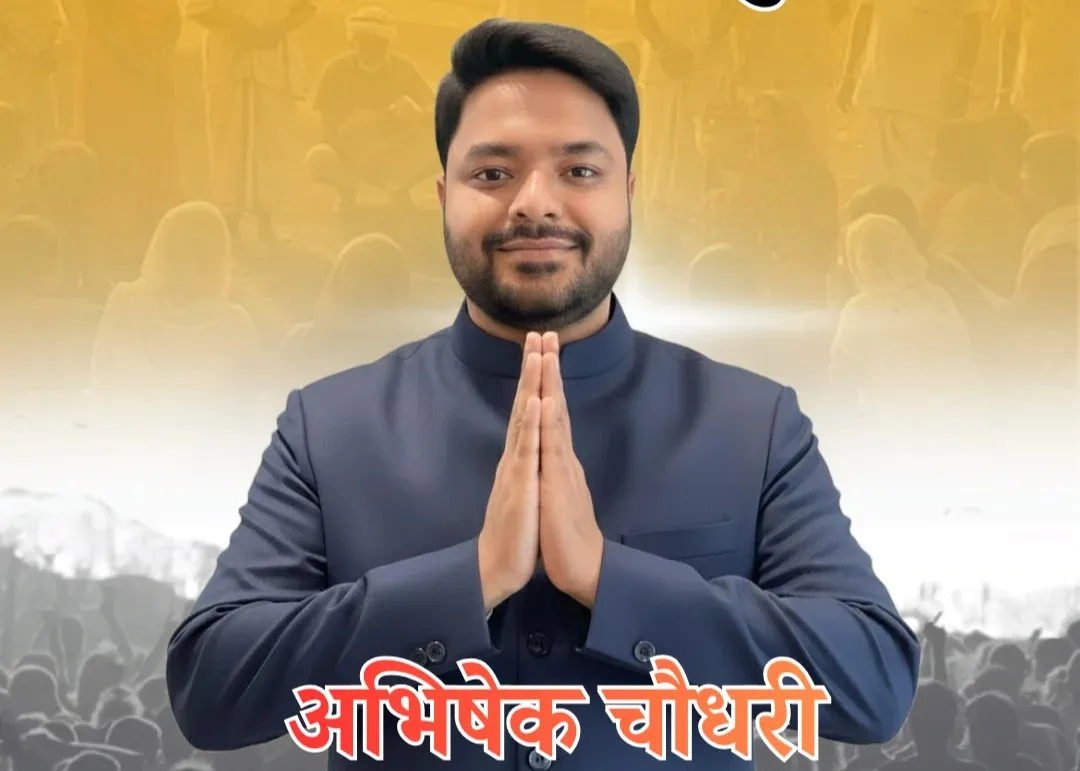
The future of every community depends on leaders who understand local challenges and work closely with people to create practical solutions. Across Mathura, young leadership has become an important part of social development, bringing fresh ideas, energy, and commitment to public service. The phrase Abhishek Chaudhary Mathura ka Yuva Neta reflects a growing interest in youth-driven leadership that focuses on development, transparency, and community welfare.
Modern leadership is no longer limited to speeches or promises. It is measured by the ability to listen, understand public concerns, and take meaningful action. Whether it involves improving local infrastructure, supporting education, encouraging healthcare initiatives, or promoting youth participation, responsible leadership creates a lasting impact on society.
The website Abhishek Chaudhary highlights this vision by presenting information about community initiatives, public service, and efforts that contribute to the development of villages and surrounding areas in Mathura.
Why Youth Leadership Matters
Young leaders bring enthusiasm, innovation, and a modern approach to solving traditional problems. Their ability to connect with different generations allows them to understand changing social needs while respecting local traditions.
Some of the biggest advantages of youth leadership include:
Better communication with local communities
Greater focus on education and employment
Encouragement of digital awareness
Active participation in social welfare
Faster response to public concerns
Promotion of community unity
These qualities help build stronger relationships between citizens and local leadership.
Building Strong Communities Through Public Service
Development begins with understanding people's everyday needs. A responsible leader pays attention to issues that directly affect families, farmers, students, women, senior citizens, and local businesses.
Community development often focuses on:
Improving Basic Infrastructure
Roads, drainage systems, clean drinking water, electricity, and sanitation form the foundation of a healthy community. Continuous improvement in these areas helps increase the overall quality of life.
Supporting Healthcare
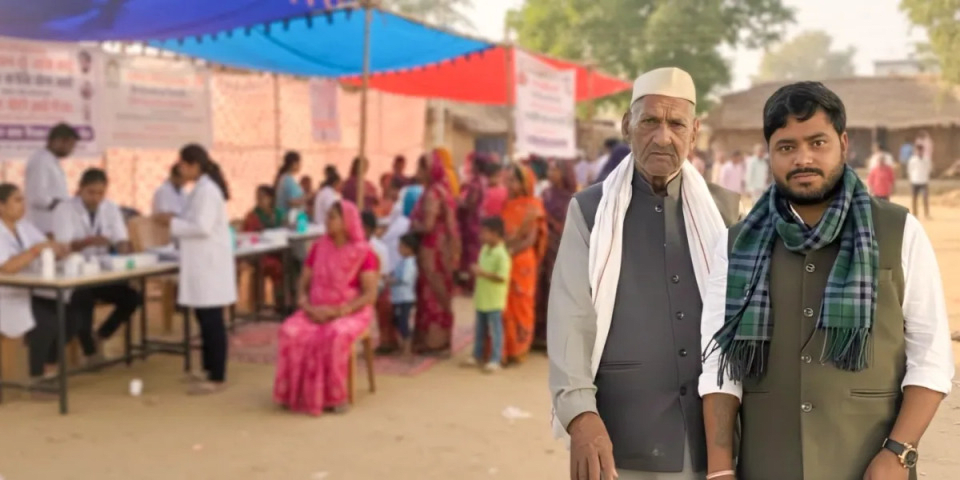
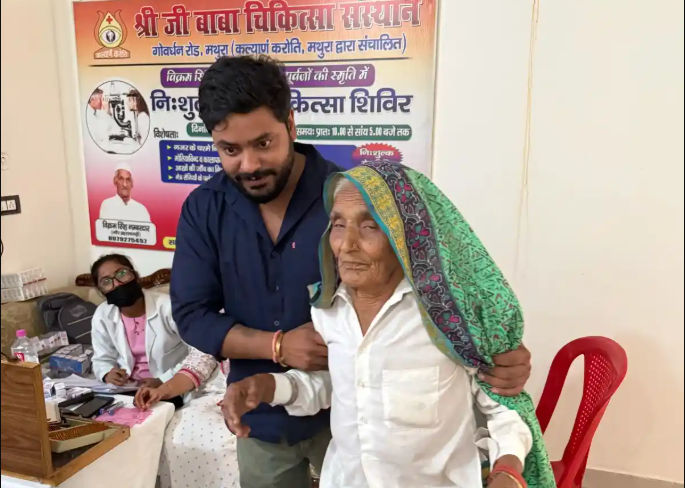
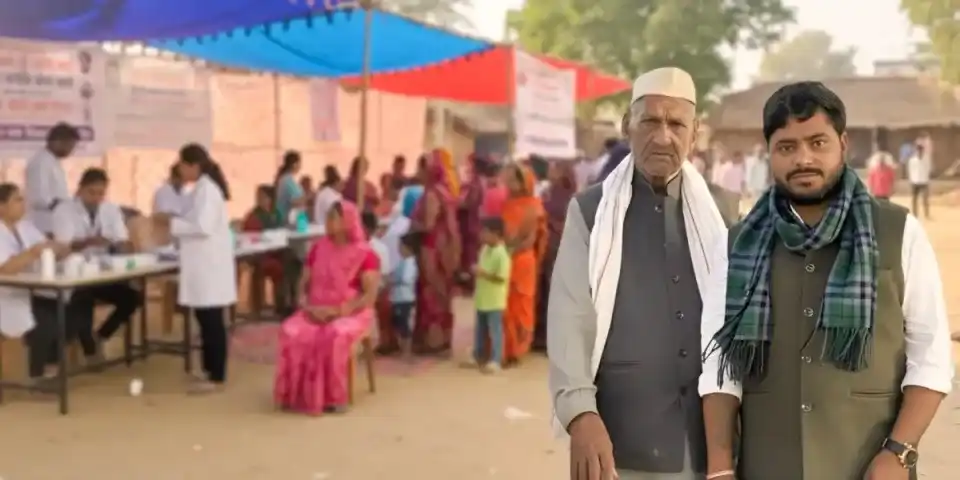
Health awareness campaigns, medical camps, preventive healthcare programs, and access to treatment contribute to healthier communities. Local initiatives often make healthcare more accessible for rural residents.
Encouraging Education
Education creates opportunities for future generations. Supporting schools, promoting literacy, encouraging digital learning, and motivating students to pursue higher education all contribute to long-term progress.
Youth Development
Young people need opportunities to develop leadership skills, participate in sports, improve technical knowledge, and explore career options. Community leaders can play an important role in creating such opportunities.
The Importance of Listening to People
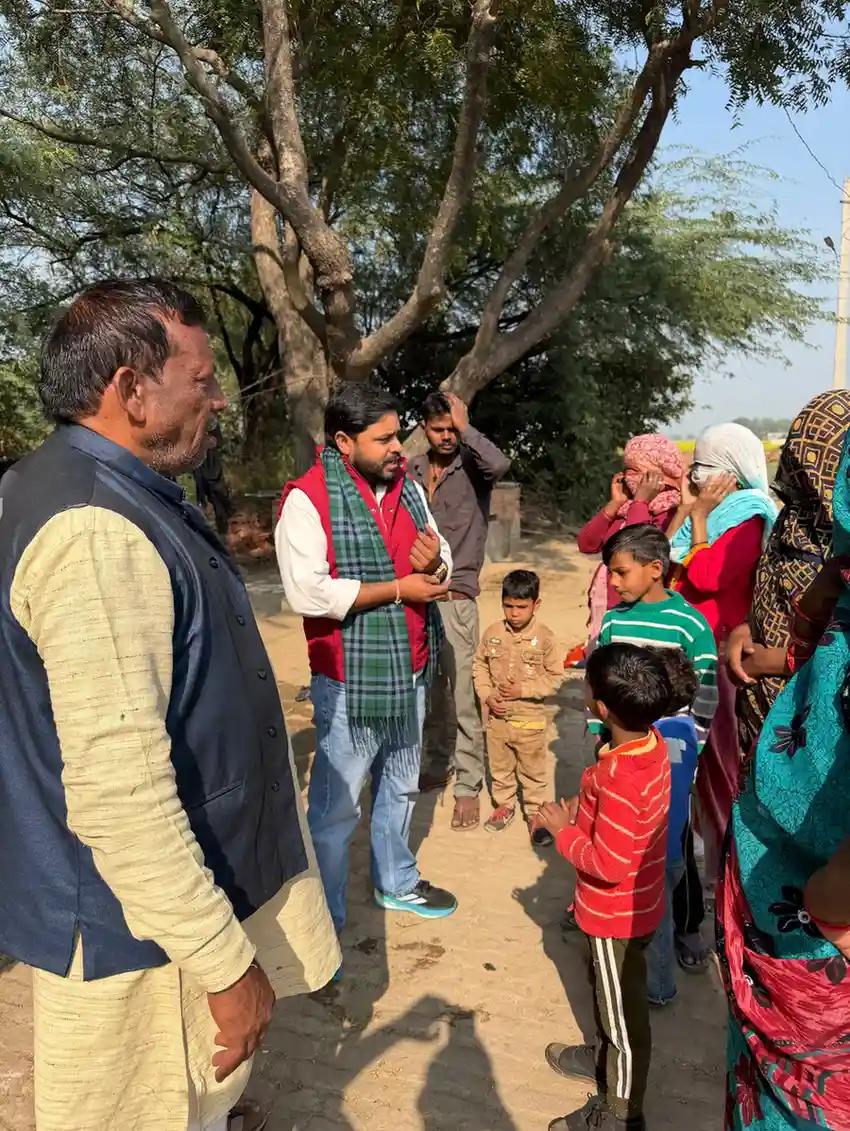
Successful leadership begins with listening rather than speaking. Understanding public concerns allows better decision-making and stronger community relationships.
Common concerns include:
Water supply
Agricultural support
Employment opportunities
Women's safety
Healthcare accessibility
Educational facilities
Infrastructure maintenance
Public cleanliness
When these issues receive attention, communities become stronger and more self-reliant.
Community Participation Creates Better Results
Development cannot be achieved by one individual alone. Progress becomes sustainable when local residents actively participate in solving problems together.
Community participation encourages:
Volunteer activities
Local awareness campaigns
Cleanliness drives
Tree plantation programs
Educational workshops
Health awareness events
Cultural preservation
Youth engagement
Collective efforts produce long-lasting improvements.
Digital Communication and Public Engagement
Technology has transformed the way leaders communicate with citizens. Social media, websites, and digital platforms provide faster access to information while encouraging transparency.
Through regular updates, community members can stay informed about:
Development initiatives
Public meetings
Welfare activities
Educational campaigns
Community events
Social awareness programs
Digital communication also strengthens public trust by keeping information accessible.
Qualities of an Effective Young Leader
Every successful leader develops certain qualities over time. These characteristics help earn public confidence and encourage meaningful development.
Important leadership qualities include:
Vision
Planning for long-term development instead of focusing only on short-term achievements.
Integrity
Making decisions honestly while maintaining transparency in public work.
Responsibility
Accepting accountability for community welfare and public service.
Communication Skills
Maintaining open dialogue with residents and understanding different perspectives.
Problem-Solving Ability
Identifying practical solutions to local challenges through cooperation and planning.
Dedication
Working consistently toward community improvement regardless of difficulties.
These qualities inspire confidence among citizens and encourage active participation.
The Growing Role of Youth in Mathura
Mathura has a vibrant population of young people who contribute to education, business, agriculture, entrepreneurship, sports, and social work. Their involvement in community activities continues to shape the future of the region.
Young leadership encourages:
Social awareness
Volunteerism
Innovation
Rural development
Environmental responsibility
Educational support
Community cooperation
The increasing participation of youth reflects positive social change throughout the district.
Public Service Beyond Politics
True public service extends beyond elections or public recognition. It involves continuous efforts to improve people's lives through meaningful initiatives.
Examples include:
Supporting community welfare
Encouraging educational opportunities
Promoting healthcare awareness
Assisting during emergencies
Organizing social campaigns
Helping vulnerable sections of society
When leadership remains people-focused, communities experience lasting progress.
Why Local Leadership Makes a Difference
Local leaders understand regional needs better because they interact directly with residents. Their familiarity with village conditions allows faster identification of problems and practical implementation of solutions.
Strong local leadership contributes to:
Better public participation
Faster communication
Increased accountability
Community trust
Sustainable development
Stronger local governance
These factors create a positive environment for long-term growth.
Abhishek Chaudhary Mathura ka Yuva Neta: Inspiring Positive Change
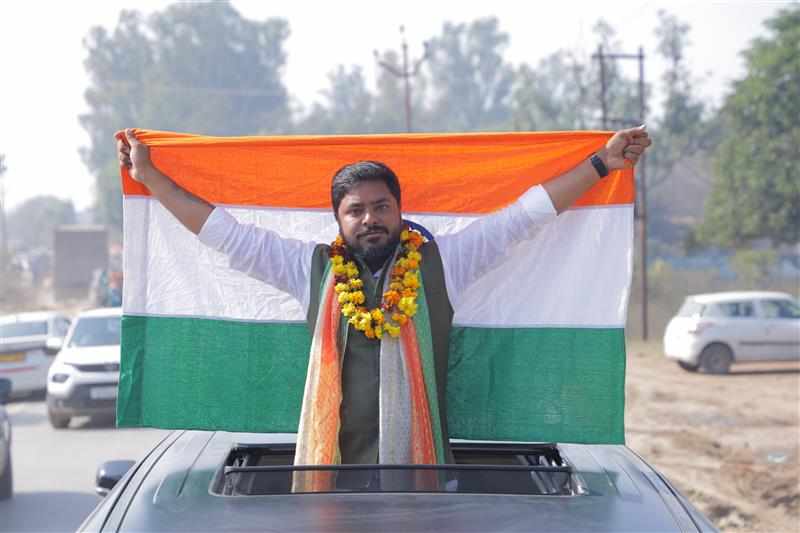
The growing recognition of Abhishek Chaudhary Mathura ka Yuva Neta reflects the importance of energetic leadership dedicated to community welfare. Through active engagement with local issues, public interaction, and a commitment to development, Abhishek Chaudhary represents a vision that values responsibility, transparency, and inclusive growth.
The official website Abhishek Chaudhary serves as a platform to share updates, community initiatives, and information related to social development while encouraging greater public participation.
As Mathura continues to grow, young leaders who prioritize education, healthcare, infrastructure, environmental awareness, and community cooperation will play an increasingly significant role in shaping a better future.
Conclusion
Communities prosper when leadership is based on service, trust, and continuous engagement with people. Youth leadership brings fresh perspectives while preserving the cultural values that define the identity of Mathura.
The concept of Abhishek Chaudhary Mathura ka Yuva Neta symbolizes the growing importance of responsible leadership that focuses on development, public welfare, and community participation. By encouraging education, promoting social responsibility, supporting infrastructure improvements, and strengthening citizen involvement, young leadership has the potential to build stronger and more progressive communities for generations to come.
Frequently Asked Questions (FAQs)
1. Who is Abhishek Chaudhary Mathura ka Yuva Neta?
The phrase refers to a young public leader associated with community development, youth participation, and social welfare initiatives in Mathura.
2. Why is youth leadership important in Mathura?
Youth leadership introduces innovative ideas, promotes public participation, supports education, and helps address local challenges through active community engagement.
3. What qualities define a successful young leader?
Vision, honesty, communication skills, responsibility, dedication, and the ability to solve community problems are among the most important leadership qualities.
4. How can local communities support development?
Residents can participate in awareness campaigns, volunteer activities, educational programs, environmental initiatives, and community welfare projects to contribute to overall development.
5. What is the purpose of the Abhishek Chaudhary website?
The website shares information about community initiatives, leadership activities, social welfare efforts, and public service while keeping citizens informed about ongoing development.


Write a comment ...