
Introduction
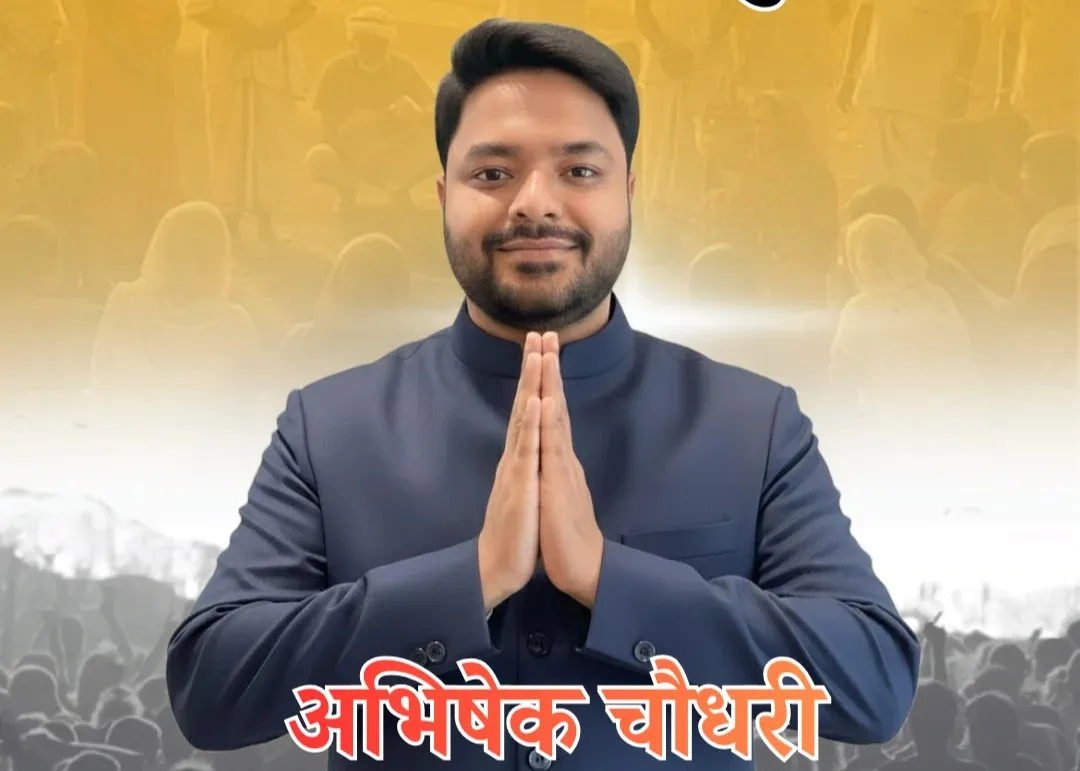
In Indian democracy, grassroots leadership plays a critical role in shaping the everyday lives of citizens. Local leaders who remain closely connected with people’s concerns often become the bridge between government policies and real public welfare. Abhishek Chaudhary, a politician associated with Prahaladgadi (Sultapatti), Mathura, Uttar Pradesh, is increasingly being discussed in this context. Known as an Abhishek Chaudhary politician with a focus on social responsibility, his work reflects the challenges, aspirations, and realities of semi-urban and rural Uttar Pradesh.
Rather than being centered on rhetoric, his public life is closely linked with issues such as education access, youth employment, infrastructure gaps, and civic awareness. This blog examines his leadership approach, priorities, and long-term vision in a neutral and informative manner, keeping public service at the center.
Understanding the Local Context: Mathura and Prahaladgadi (Sultapatti)
Mathura district holds immense cultural and historical importance, but like many regions in Uttar Pradesh, it also faces structural challenges. Areas such as Prahaladgadi (Sultapatti) deal with:
Limited employment opportunities for local youth
Infrastructure gaps in roads, drainage, and sanitation
Unequal access to quality education
Need for better implementation of government welfare schemes
These realities demand leadership that understands both administrative systems and ground-level social issues. As a public servant in Prahaladgadi, Abhishek Chaudhary’s engagement has largely revolved around these everyday concerns.
Entry into Public Life and Motivation
Abhishek Chaudhary’s political journey appears rooted in social involvement rather than sudden electoral ambition. His early engagement with community matters helped him develop an understanding of how policy decisions affect ordinary households.
As an Abhishek Chaudhary Politician, his motivation can be broadly understood through three factors:
Local Representation: Ensuring voices from Sultapatti and surrounding areas are heard
Development-Oriented Thinking: Emphasis on long-term solutions instead of short-term relief
Public Accessibility: Remaining approachable to citizens for grievance redressal
This approach aligns with India’s democratic tradition, where local leaders often emerge from within the community.
Focus on Public Welfare and Social Work
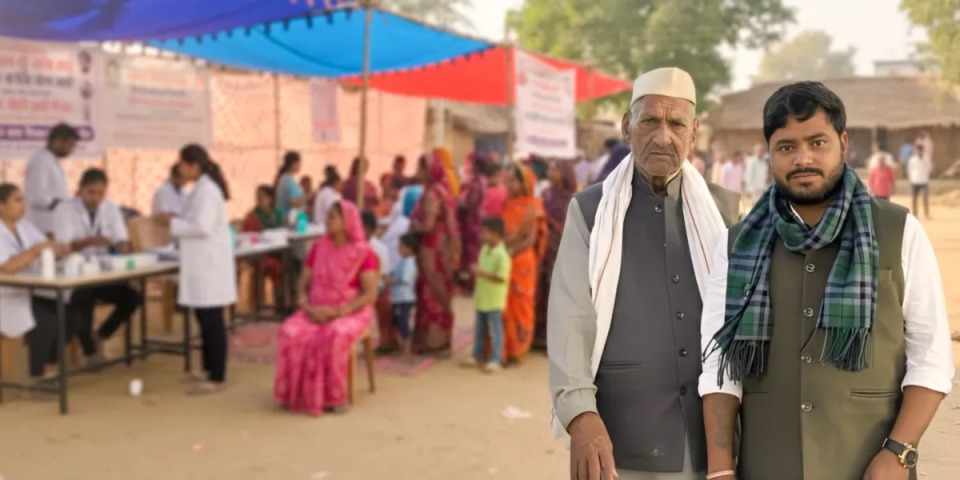
Public welfare forms the backbone of Abhishek Chaudhary’s political identity. His work as a social worker & politician reflects an understanding that development is not limited to physical infrastructure alone.
Key Areas of Social Focus
Support for vulnerable families during administrative processes
Awareness of government schemes related to health, pensions, and subsidies
Encouraging community participation in cleanliness and civic responsibility
Rather than positioning himself as a sole problem-solver, his approach encourages collective responsibility, which is essential in a diverse social environment like Mathura.
Education as a Tool for Long-Term Development
Education remains one of the most critical issues in Uttar Pradesh. Many families in Sultapatti and Prahaladgadi still struggle with school dropouts, limited resources, and lack of guidance.
Abhishek Chaudhary’s engagement in education-related matters highlights:
Advocacy for better school facilities
Encouragement for youth to continue higher education
Emphasis on skill-based learning alongside formal education
By focusing on education, the leadership narrative shifts from immediate political gains to sustainable human development.
Youth Empowerment and Employment Challenges
India’s demographic advantage depends heavily on meaningful youth engagement. In regions like Mathura, young people often face unemployment or underemployment despite willingness to work.
As a Sultapatti political leader, Abhishek Chaudhary has spoken about:
Connecting youth with skill development programs
Promoting awareness of government employment schemes
Encouraging entrepreneurship and local business initiatives
Youth empowerment, in this sense, is not presented as a slogan but as a policy-linked necessity for regional stability and growth.
Infrastructure Development and Civic Issues
Infrastructure remains a visible indicator of development. Roads, sanitation systems, electricity, and water supply directly affect quality of life.
Ground-level civic issues often highlighted include:
Road connectivity between villages and town centers
Drainage and sanitation management
Coordination with local bodies for maintenance work
The emphasis here is not on large-scale promises but on incremental improvements, which often have immediate social impact.
Leadership Style and Core Qualities
Leadership in Indian politics requires balancing administrative understanding with social sensitivity. Abhishek Chaudhary’s leadership style can be characterized by:
Accessibility: Maintaining communication with citizens
Listening Approach: Understanding problems before proposing solutions
Consistency: Staying involved beyond election cycles
These qualities help build trust over time, especially in local politics where personal interaction matters greatly.
Vision for Long-Term Development
Long-term development in regions like Prahaladgadi depends on continuity and planning. The broader vision associated with Abhishek Chaudhary includes:
Strengthening education and skill ecosystems
Creating an environment supportive of local employment
Improving coordination between citizens and administration
Such goals align with India’s broader development narrative while remaining grounded in local realities.
Role within the Indian Political Framework
Indian politics operates at multiple levels—local, state, and national. Leaders working at the grassroots level often act as the first point of contact between citizens and governance systems.
As an Abhishek Chaudhary politician, his role reflects:
Translating policies into local understanding
Representing regional concerns within broader discussions
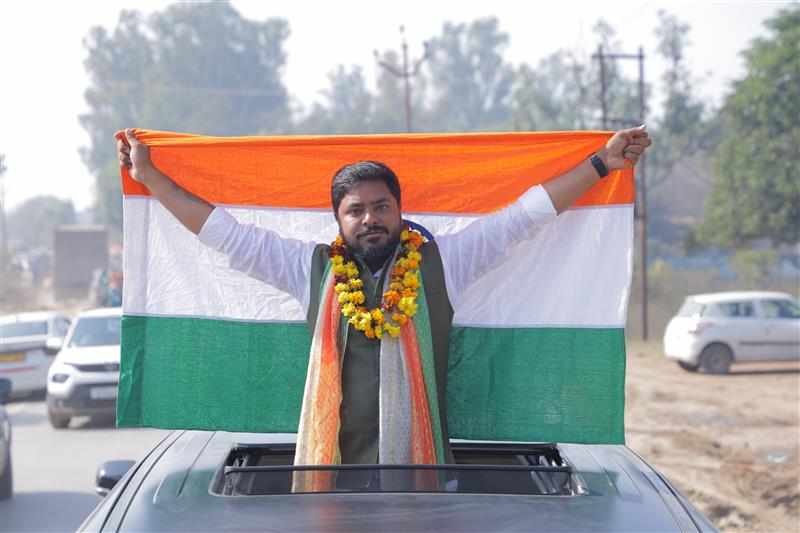
Encouraging civic awareness and democratic participation
This function is essential for strengthening democratic institutions at the base level.
Conclusion
Leadership in contemporary India is increasingly evaluated not by rhetoric but by relevance to real issues. Abhishek Chaudhary, associated with Prahaladgadi (Sultapatti), Mathura, U.P., represents a form of politics that emphasizes public welfare, education, youth empowerment, and infrastructure improvement without excessive personalization.
As a public servant in Prahaladgadi, his work highlights the importance of steady, community-focused leadership in addressing everyday challenges. In a political environment often dominated by high-decibel narratives, such grounded engagement remains a crucial component of democratic development.
From education to employment and from civic issues to long-term planning, his approach reflects how local leadership can contribute meaningfully to regional progress within India’s democratic framework.


Write a comment ...