
Strong communities are built by individuals who understand local challenges and work consistently to improve the lives of others. Across India, social leadership has become an important part of community development because people value leaders who focus on education, healthcare, youth opportunities, sanitation, and public welfare.
The keyword Abhishek Chaudhary Social Leader Mathura reflects this growing interest in leaders who actively contribute to society through public service and development initiatives. Social leadership is not only about holding a position but also about creating positive change through dedication, transparency, and continuous engagement with the people.
This article explains the qualities of an effective social leader, the importance of community participation, and how local leadership can shape a better future for Mathura.
What Makes a Good Social Leader?
A social leader works for the welfare of society by identifying local problems and encouraging practical solutions. Such leaders often become the bridge between communities and government programs.
The qualities of a responsible social leader include:
Strong communication skills
Honesty and transparency
Commitment to public welfare
Ability to understand local issues
Focus on long-term development
Respect for every section of society
Encouragement of youth participation
When these qualities come together, communities become stronger and development becomes more sustainable.
Why Social Leadership Matters in Mathura
Mathura is known worldwide for its cultural and spiritual significance. Along with preserving its heritage, the district also requires continuous efforts in modern infrastructure, education, healthcare, employment, and environmental protection.
Social leaders can contribute by supporting:
Better educational opportunities
Clean drinking water initiatives
Health awareness campaigns
Women's empowerment programs
Youth skill development
Village infrastructure improvements
Community cleanliness drives
Environmental conservation
Development becomes successful when citizens and leaders work together toward common goals.
Community Development Starts at the Local Level
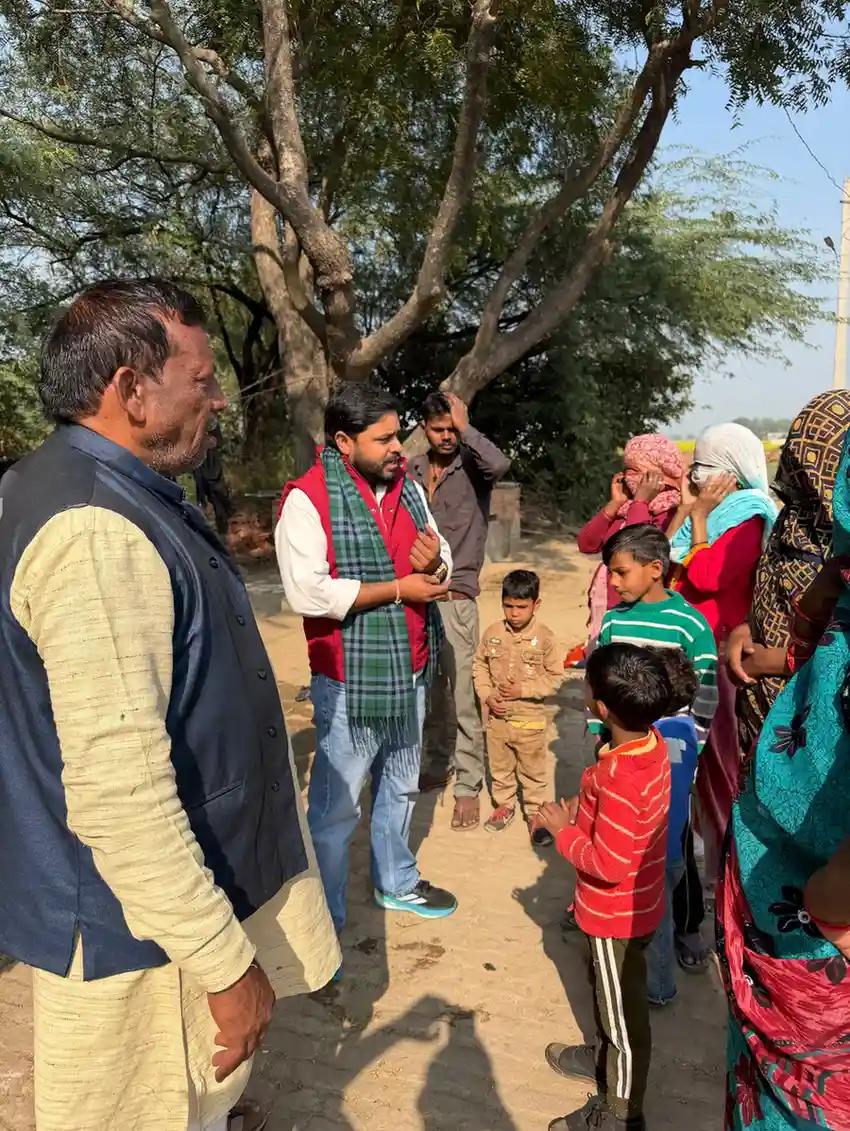
Every major improvement begins within neighborhoods and villages. Local leaders understand the daily concerns of residents more closely than anyone else.
Community development may include:
Improving Public Facilities
Clean roads, proper drainage systems, parks, community centers, and public seating improve everyday life.
Supporting Education
Helping schools with better facilities, digital learning resources, scholarships, and awareness campaigns encourages students to build brighter futures.
Promoting Healthcare
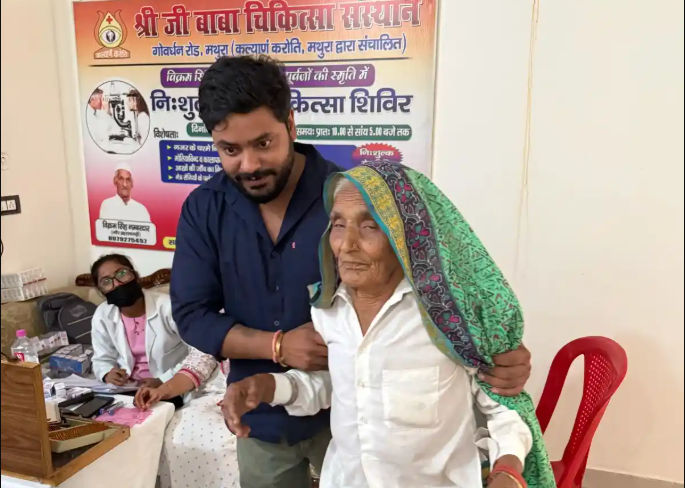
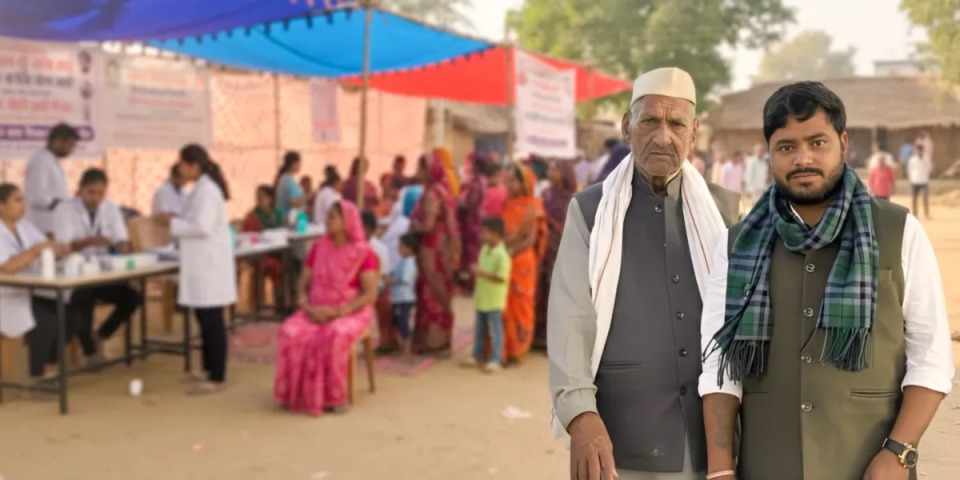
Health camps, eye check-up programs, blood donation drives, and preventive healthcare awareness improve the overall well-being of communities.
Water Management
Maintaining water resources, repairing public hand pumps, promoting rainwater harvesting, and encouraging responsible water usage are important for sustainable development.
Youth Leadership Creates Future Leaders
Young people represent the future of every community. Encouraging youth participation in social work helps build confidence, responsibility, and leadership skills.
Youth engagement can include:
Volunteer programs
Sports activities
Skill development workshops
Career guidance sessions
Digital literacy training
Environmental awareness campaigns
Community service projects
A socially active youth population contributes to stronger and more responsible communities.
Women Empowerment Strengthens Society
Women play a vital role in family and community development. Social leaders who encourage equal opportunities contribute to long-term progress.
Important areas include:
Girls' education
Healthcare awareness
Self-help groups
Entrepreneurship support
Skill training
Financial literacy
Safety awareness
Empowered women create stronger families and healthier communities.
The Role of Transparency in Public Service
People trust leaders who communicate openly and remain accountable.
Transparency includes:
Listening to public concerns
Sharing development plans
Maintaining honesty in decision-making
Working fairly for every community
Encouraging public participation
Trust develops when actions consistently match promises.
Sustainable Development for Future Generations
Development should benefit both present and future generations.
Important sustainable initiatives include:
Tree plantation drives
Waste management awareness
Water conservation
Renewable energy promotion
Plastic reduction campaigns
Clean public spaces
Environmental responsibility ensures healthier living conditions for everyone.
Digital Communication and Public Engagement
Technology has transformed the relationship between leaders and communities.
Digital platforms help by:
Sharing important updates
Collecting public feedback
Promoting awareness campaigns
Informing citizens about government schemes
Encouraging community participation
Responsible use of digital communication increases transparency and public involvement.
Public Service Through Community Participation
No development project succeeds without community support.
Citizens can contribute by:
Participating in cleanliness campaigns
Supporting educational initiatives
Volunteering for social causes
Helping elderly residents
Protecting public property
Conserving water
Planting trees
When citizens become active participants, development accelerates naturally.
Building a Better Future for Mathura
Every district grows through collective effort rather than individual achievement alone. Long-term progress depends on cooperation between citizens, social organizations, educational institutions, local authorities, and community leaders.
The vision for a stronger Mathura includes:
Better education
Improved healthcare
Safer villages
Modern infrastructure
Employment opportunities
Women's empowerment
Youth leadership
Environmental sustainability
These goals can be achieved through consistent dedication and responsible public service.
Commitment to Social Responsibility
Community leadership requires patience, compassion, and continuous effort. Leaders who remain connected with the people understand their needs and work toward practical solutions instead of temporary results.
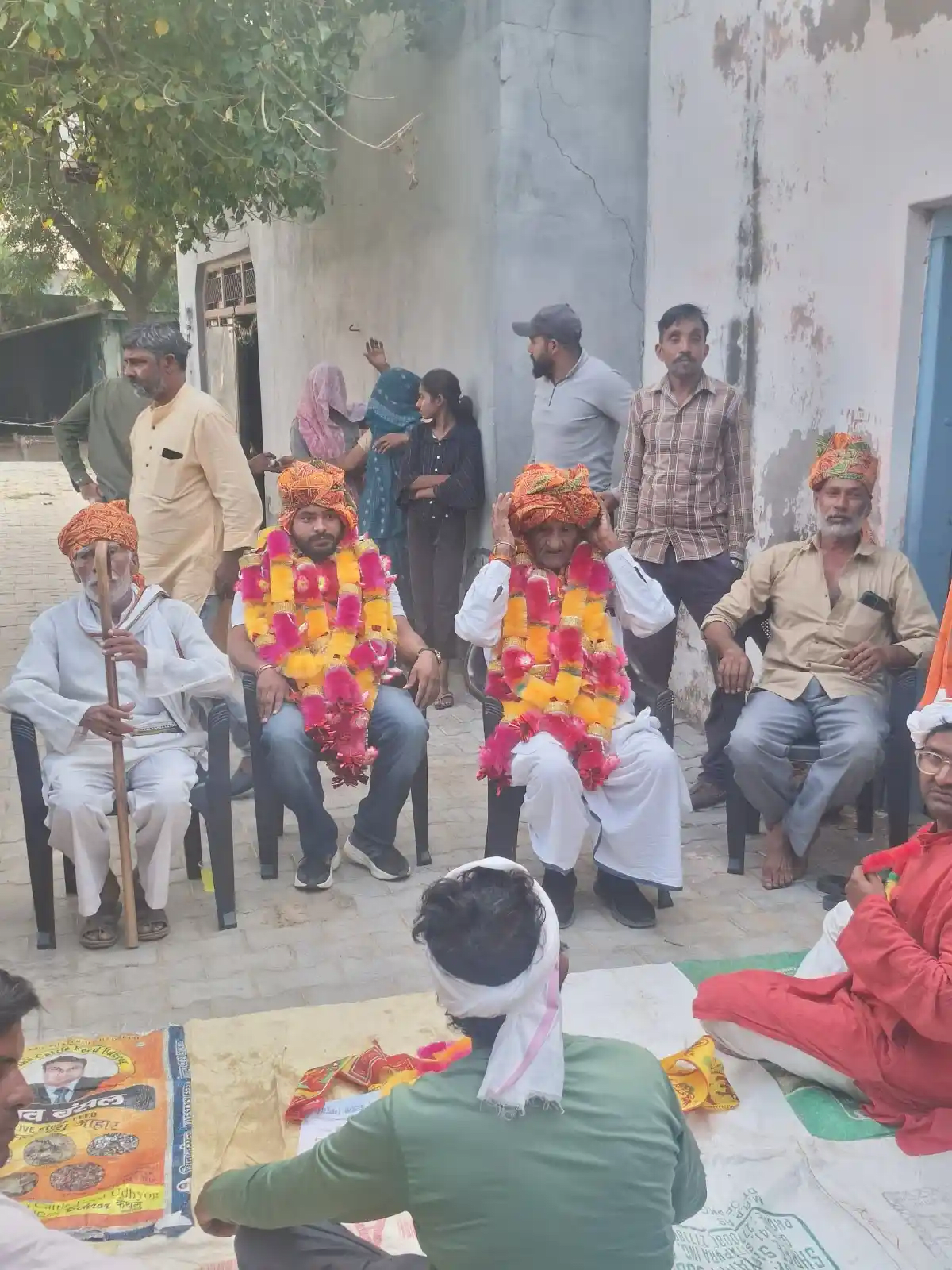
Abhishek Chaudhary is recognized by many supporters as someone who believes in community participation, youth development, and public welfare. His approach highlights the importance of listening to local concerns while encouraging positive social initiatives.
As discussions around Abhishek Chaudhary Social Leader Mathura continue to grow, the focus remains on strengthening communities through education, healthcare awareness, environmental responsibility, and inclusive development. Meaningful leadership is measured by service, trust, and consistent action that benefits society.
Through ongoing public engagement and community-centered initiatives, Abhishek Chaudhary represents the values of responsible social leadership. With active citizen participation and shared commitment toward development, Mathura can continue moving toward a brighter and more sustainable future.
Conclusion
Social leadership is built on service, integrity, and dedication to improving people's lives. Communities thrive when leaders encourage participation, support development, and remain committed to public welfare.
The growing interest in Abhishek Chaudhary Social Leader Mathura reflects the importance of leaders who focus on long-term progress rather than short-term recognition. By promoting education, healthcare, environmental awareness, youth empowerment, and community development, responsible leadership can create lasting positive change across Mathura.
Frequently Asked Questions (FAQ)
1. Who is Abhishek Chaudhary, Social Leader Mathura?
The phrase refers to Abhishek Chaudhary, who is associated with community-focused initiatives and public service efforts in the Mathura region.
2. What are the qualities of a good social leader?
A good social leader demonstrates honesty, accountability, compassion, effective communication, and a commitment to community welfare.
3. Why is community development important?
Community development improves education, healthcare, infrastructure, employment opportunities, environmental sustainability, and overall quality of life.
4. How can young people contribute to social leadership?
Young people can volunteer, participate in awareness campaigns, develop leadership skills, support environmental projects, and help solve local community challenges.
5. What is the future of social leadership in Mathura?
The future depends on collaborative efforts between citizens, local organizations, and responsible leaders who prioritize sustainable development, transparency, and public welfare.






Write a comment ...