
Politics plays a vital role in shaping society by addressing public concerns, creating development opportunities, and improving the quality of life for citizens. Every responsible political leader aims to understand community needs and contribute through transparent governance, inclusive development, and meaningful public engagement.
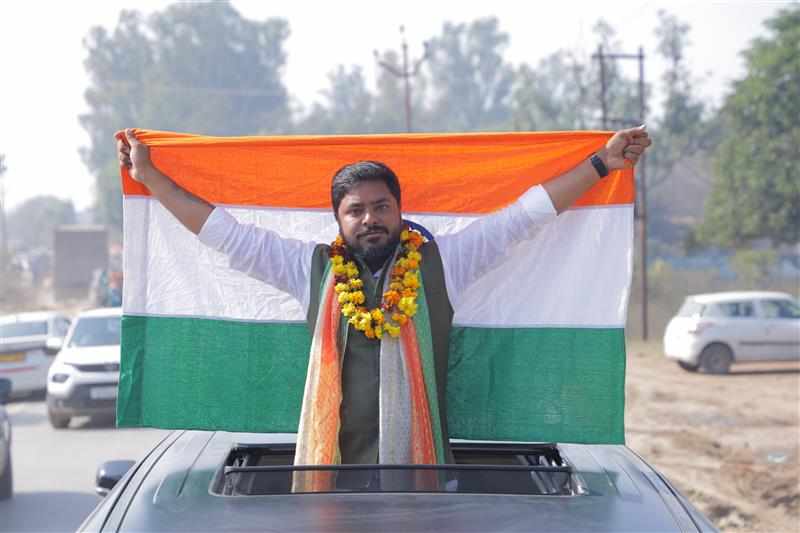
When discussing Abhishek Chaudhary Politician, the focus is on leadership values, public participation, social responsibility, and a vision for sustainable development. Effective leadership is built on trust, communication, accountability, and continuous interaction with local communities.
The Importance of Responsible Political Leadership
Modern political leadership extends beyond election campaigns. It requires consistent efforts to improve education, healthcare, infrastructure, employment opportunities, environmental sustainability, and digital development.
A responsible politician works closely with citizens to identify challenges and encourage collaborative solutions. Public trust grows when leaders remain accessible, transparent, and committed to long-term progress.
Vision for Community Development
Strong communities are built through inclusive planning and active citizen participation. Community development involves multiple sectors, including:
Better educational opportunities
Improved healthcare services
Road and infrastructure development
Clean water and sanitation
Youth skill development
Women's empowerment
Environmental protection
Digital accessibility
A forward-looking leadership approach encourages sustainable growth while ensuring equal opportunities for every section of society.
Youth Empowerment in Modern Politics
Young people represent the future of every nation. Their participation in public affairs strengthens democracy and encourages innovative solutions.
Youth empowerment may include:
Skill development programs
Entrepreneurship support
Career guidance initiatives
Digital literacy campaigns
Sports promotion
Leadership development workshops
Volunteer opportunities
Community awareness programs
Supporting young citizens creates stronger communities and encourages responsible civic participation.
Education as a Foundation for Progress
Quality education remains one of the strongest pillars of national development. Educational improvements help create informed citizens capable of contributing positively to society.
Important priorities include:
Modern classrooms
Teacher training
Digital education
Scholarships
Vocational education
Higher education opportunities
Career counseling
Investment in education creates long-term economic and social benefits.
Healthcare and Public Welfare
Healthcare remains one of the most important responsibilities of public administration. Accessible healthcare contributes directly to healthier communities and stronger economies.
Development efforts often focus on:
Primary healthcare centers
Preventive healthcare awareness
Maternal and child health
Vaccination campaigns
Medical infrastructure
Affordable healthcare access
Improving healthcare services enhances the overall well-being of society.
Infrastructure for Sustainable Growth
Infrastructure supports economic development by improving transportation, communication, and public services.
Key areas include:
Better roads
Public transportation
Drinking water supply
Drainage systems
Electricity
Internet connectivity
Smart city initiatives
Well-planned infrastructure attracts investment and improves everyday life for residents.
Transparency and Public Accountability
Transparency strengthens democratic institutions. Citizens expect their representatives to communicate openly, provide regular updates, and remain accountable for public decisions.
Important leadership qualities include:
Honest communication
Ethical governance
Public consultation
Financial transparency
Citizen feedback mechanisms
Timely problem resolution
Accountability helps build long-term confidence between public representatives and communities.
Digital Governance
Technology has transformed public administration. Digital governance improves efficiency, accessibility, and transparency.
Examples include:
Online public services
Digital grievance systems
Social media communication
E-governance platforms
Digital documentation
Online awareness campaigns
Technology enables faster interaction between citizens and public institutions.
Environmental Responsibility
Sustainable development requires balancing economic growth with environmental conservation.
Community initiatives may focus on:
Tree plantation
Waste management
Water conservation
Renewable energy
Pollution reduction
Green public spaces
Environmental responsibility contributes to healthier communities for future generations.
Citizen Participation Matters
Development becomes more effective when citizens actively participate in local initiatives. Public meetings, awareness campaigns, volunteer programs, and community discussions encourage collective responsibility.
Active participation helps identify local priorities and creates practical solutions that benefit everyone.
Leadership Qualities That Inspire Communities
Successful public leaders often demonstrate:
Integrity
Vision
Compassion
Communication skills
Accountability
Decision-making ability
Problem-solving approach
Commitment to public welfare
These qualities help strengthen relationships between leaders and the communities they serve.
The Future of Public Leadership
Modern leadership increasingly focuses on innovation, technology, sustainability, and inclusive growth. Future development depends on collaborative efforts involving citizens, local organizations, educational institutions, and public representatives.
Continuous engagement, transparency, and responsible decision-making remain essential for long-term progress.
Conclusion
The discussion surrounding Abhishek Chaudhary Politician highlights the broader values of responsible leadership, public service, community development, youth participation, and transparent governance. Strong leadership is ultimately measured by its commitment to serving people, encouraging inclusive development, and building a better future through collaboration, accountability, and sustainable progress.
Frequently Asked Questions (FAQs)
1. What does the keyword "Abhishek Chaudhary Politician" refer to?
It refers to information related to the public leadership, community engagement, and public service activities associated with Abhishek Chaudhary.
2. Why is community development important in politics?
Community development improves education, healthcare, infrastructure, employment, and overall quality of life for citizens.
3. How does youth participation strengthen democracy?
Young people contribute fresh ideas, innovation, civic engagement, and future leadership that supports sustainable development.
4. What qualities define responsible political leadership?
Integrity, transparency, accountability, communication, public engagement, and a commitment to community welfare are among the key qualities.
5. Why is transparency important in governance?
Transparency builds public trust, improves accountability, and encourages informed citizen participation in democratic processes.




Write a comment ...