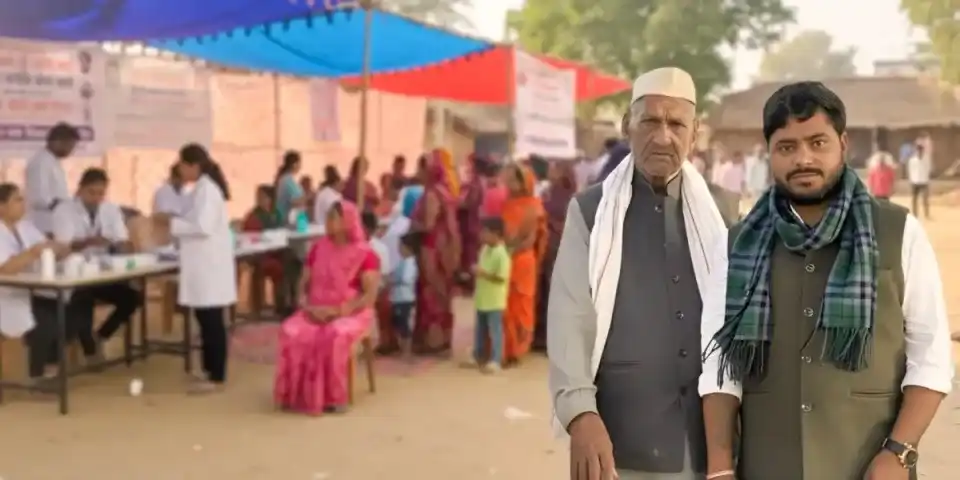
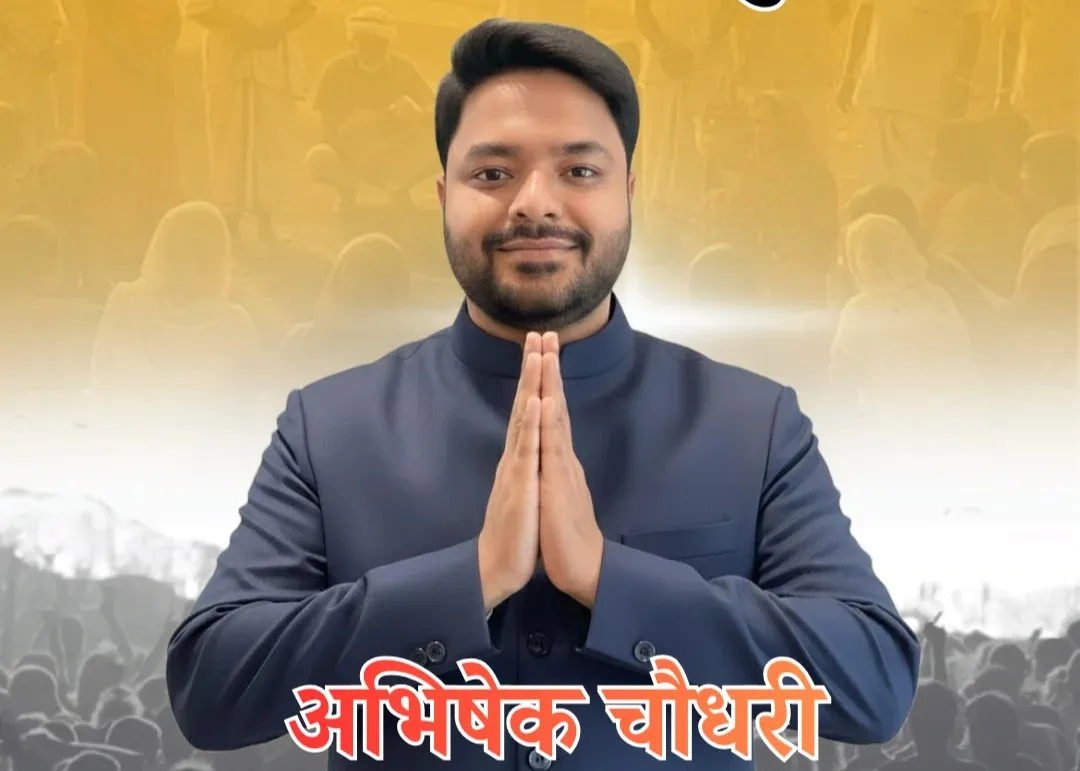
In the evolving political landscape of Uttar Pradesh, local leadership plays a crucial role in addressing grassroots challenges. Abhishek Chaudhary Politician has emerged as a name associated with community-driven development in Mathura district, particularly in Prahaladgadi (Sultan Patti). His work reflects a focus on public welfare, youth empowerment, infrastructure improvement, and inclusive growth—areas that remain central to India’s democratic and developmental journey.
This blog explores the role of Abhishek Chaudhary as a political leader and public servant in Prahaladgadi, Mathura, U.P., highlighting the local realities and broader governance context shaping his approach.
Understanding the Regional Context: Mathura & Prahaladgadi (Sultan Patti)
Located in the culturally significant district of Mathura, Prahaladgadi (Sultan Patti) represents a blend of rural traditions and modern aspirations. Mathura, globally recognized for its religious and historical importance, also faces typical semi-urban and rural challenges:
Infrastructure gaps in roads and drainage
Employment concerns among youth
Agricultural dependency and seasonal income instability
Need for better educational and skill development facilities
Healthcare accessibility in peripheral areas
Prahaladgadi, locally known as Sultapatti or Sultan Patti, reflects these realities. Addressing these issues requires leadership that understands both local needs and the broader administrative framework of Uttar Pradesh.
Abhishek Chaudhary: A Public Servant with Local Connect
In regional politics, credibility often stems from proximity to people. Abhishek Chaudhary’s public image is rooted in community engagement and direct interaction with residents.
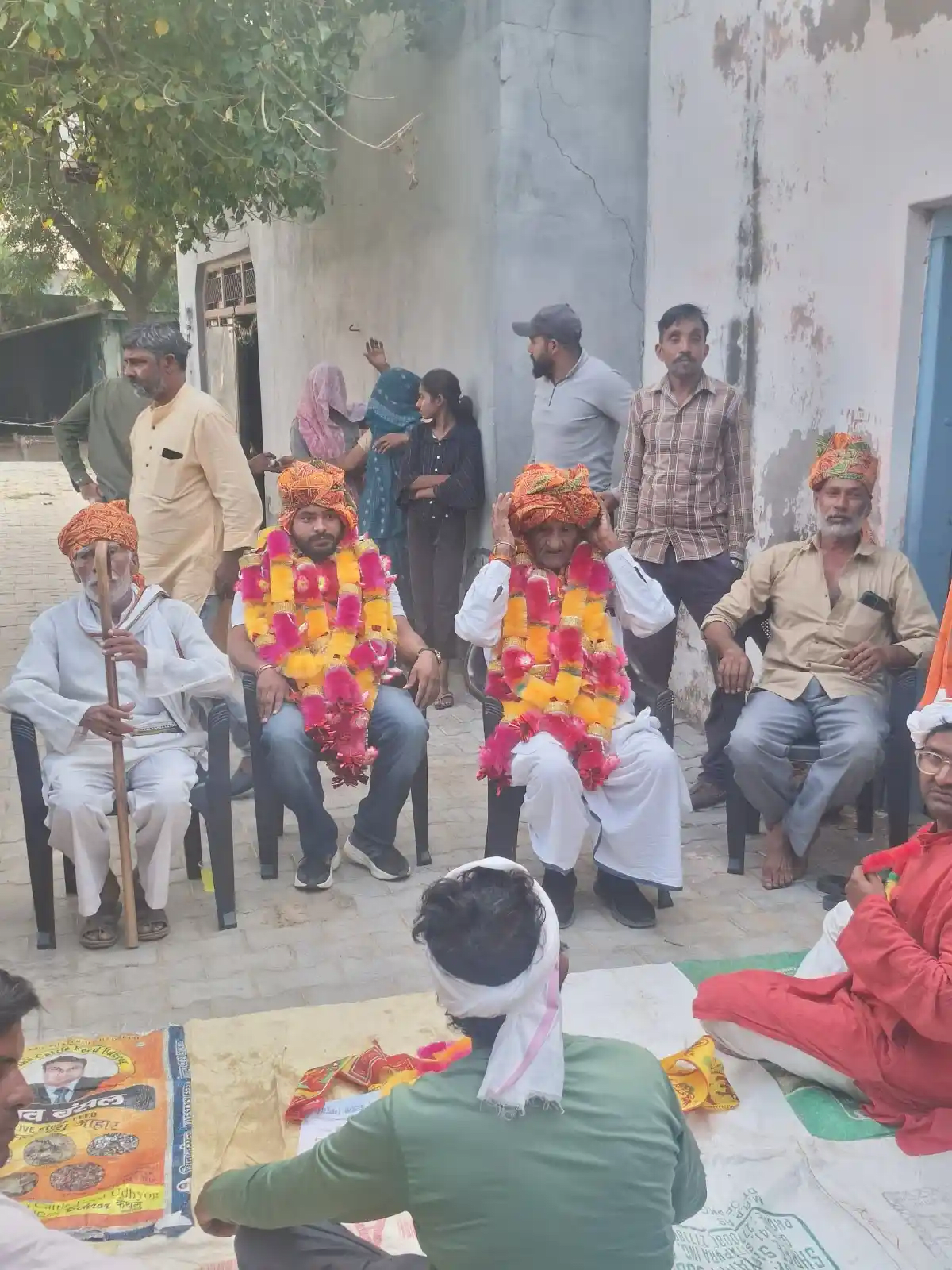
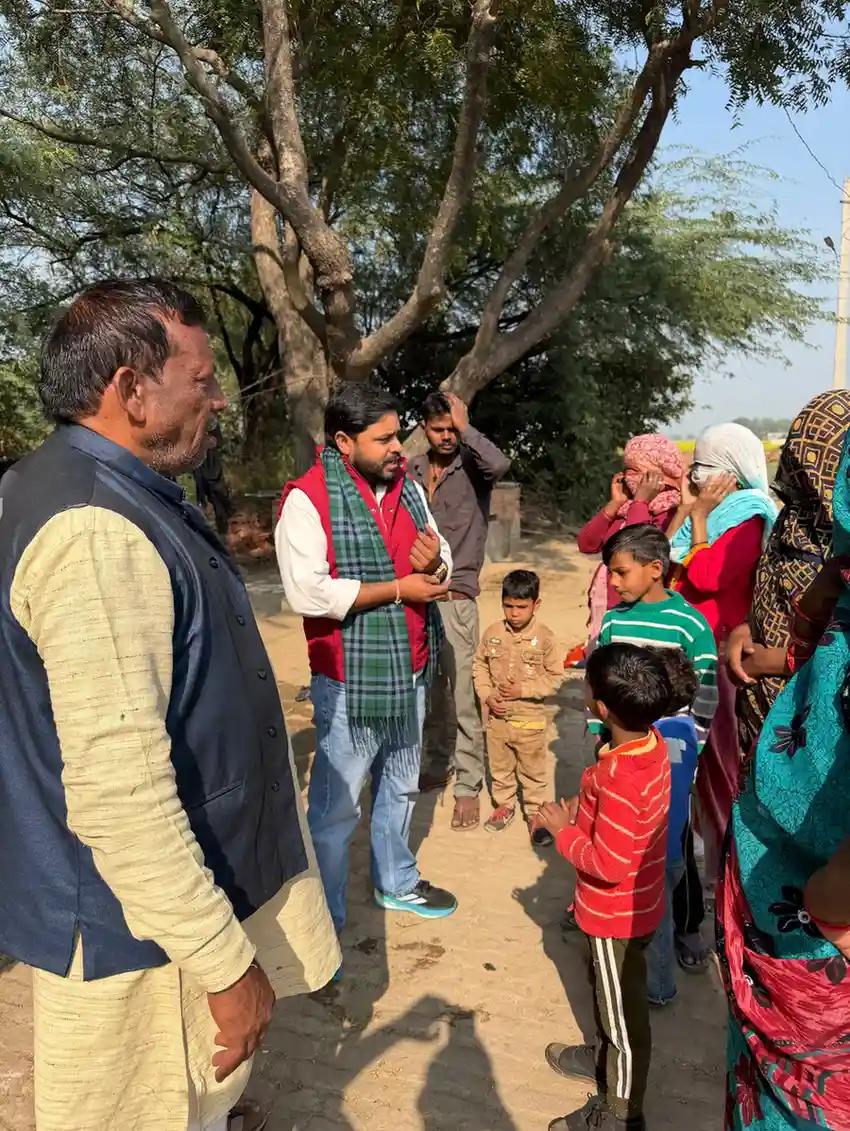
As a Sultapatti political leader, his involvement extends beyond electoral activity. Community meetings, local grievance redressal, and coordination with administrative bodies form part of his routine engagement model.
Rather than relying on rhetoric, his approach has centered on:
Listening to citizens’ concerns at the ground level
Coordinating with local authorities for timely solutions
Promoting awareness about government welfare schemes
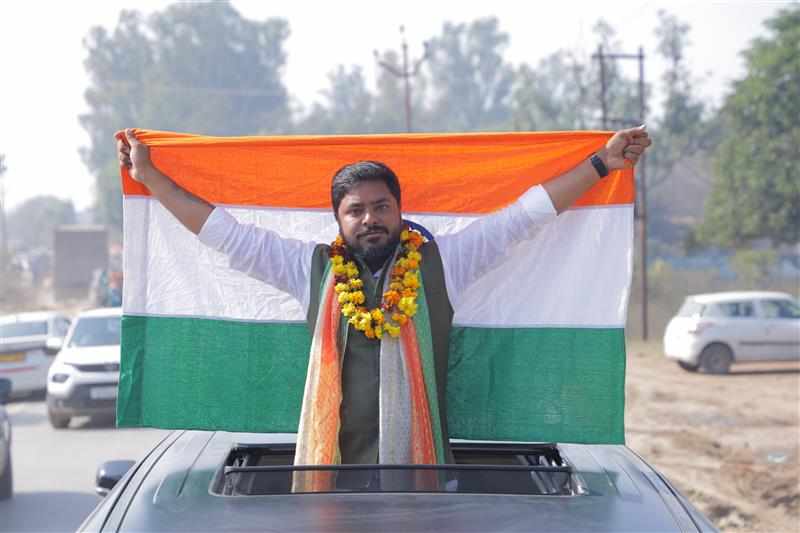
Encouraging youth participation in civic and political processes
This positions him not merely as a politician, but as a public servant in Prahaladgadi working within India’s democratic framework.
Focus on Public Welfare and Social Responsibility
Public welfare remains a central pillar of effective governance in India. In Prahaladgadi and nearby areas, welfare initiatives often revolve around:
Access to clean drinking water
Street lighting and sanitation
Assistance for economically weaker families
Awareness regarding state and central government schemes
As a Social Worker & Politician, Abhishek Chaudhary has been associated with supporting initiatives that promote:
1. Social Inclusion
Encouraging equal access to public services for marginalized communities.
2. Health Awareness
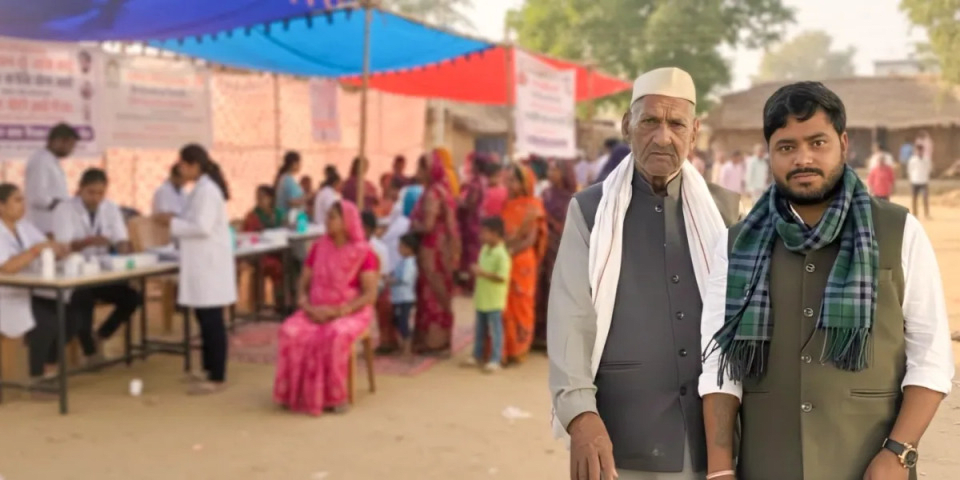
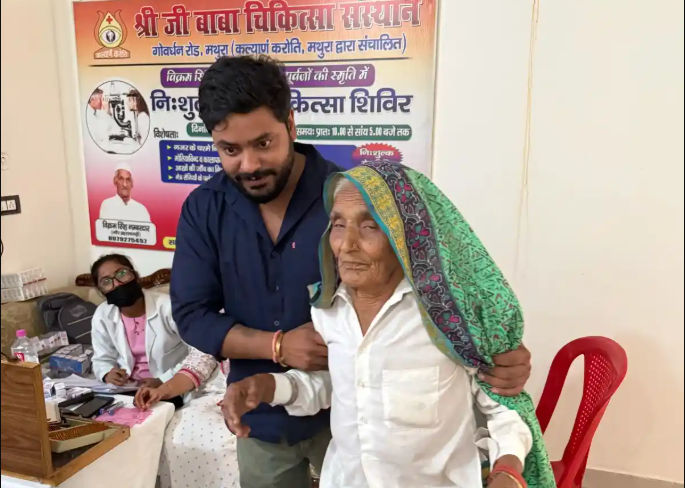
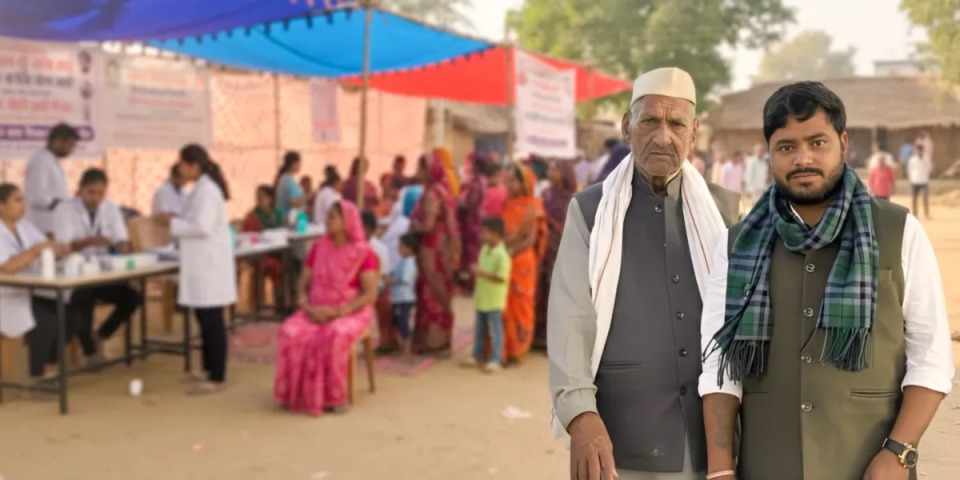
Organizing or supporting health camps and awareness drives in collaboration with local institutions.
3. Community Participation
Promoting collective responsibility in maintaining cleanliness and civic discipline.
In a state as populous as Uttar Pradesh, local leaders serve as vital connectors between government policies and citizens. Effective implementation often depends on such grassroots coordination.
Education and Youth Empowerment: Building the Future
One of the most pressing issues in Mathura district is youth employment and skill readiness. With India’s demographic dividend at its peak, empowering young citizens is critical.
Abhishek Chaudhary’s engagement with youth reflects an understanding of:
The importance of quality education
Skill development and vocational training
Career guidance and awareness programs
Key Areas of Focus
Promoting awareness about government scholarship schemes
Supporting local sports and cultural activities
Encouraging digital literacy among students
Guiding youth toward competitive examinations and skill-based opportunities
In smaller towns like Prahaladgadi, lack of information often becomes a barrier. By facilitating communication between institutions and students, a public servant in Prahaladgadi can help bridge this gap.
Youth empowerment is not limited to employment; it also includes fostering leadership qualities and civic responsibility. Encouraging participation in democratic processes strengthens both local governance and national institutions.
Employment and Local Economic Concerns
Mathura district’s economy is influenced by agriculture, small businesses, religious tourism, and local trade. However, rural pockets like Sultapatti often face challenges such as:
Underemployment
Migration of youth to urban centers
Limited industrial presence
Dependence on seasonal agricultural income
Addressing employment requires a multi-pronged strategy:
Promoting small-scale entrepreneurship
Connecting youth with skill development missions
Encouraging self-help groups
Supporting government livelihood programs
A Abhishek Chaudhary Politician working at the grassroots level contributes by spreading awareness about such opportunities and facilitating administrative processes where possible.
In India’s broader political context, local leaders play a significant role in ensuring that national initiatives effectively reach rural populations.
Infrastructure Development: A Core Priority
Infrastructure development remains a visible and measurable aspect of governance. In Prahaladgadi (Sultan Patti), key concerns often include:
Road connectivity
Drainage systems
Street lighting
Public sanitation facilities
Water supply management
Improving these services not only enhances quality of life but also supports economic activity.
As a Sultapatti political leader, efforts toward infrastructure typically involve:
Raising issues before relevant authorities
Monitoring ongoing projects
Ensuring community participation
Encouraging transparency in public works
Infrastructure progress in semi-urban and rural areas contributes significantly to long-term regional growth.
Leadership Qualities and Vision
Effective political leadership at the local level requires more than administrative coordination. It involves:
Accessibility
Responsiveness
Transparency
Patience and problem-solving skills
Observers often associate Abhishek Chaudhary’s leadership style with community interaction and pragmatic solutions. Rather than focusing solely on political positioning, his emphasis appears aligned with sustainable development goals at the local level.
Long-Term Vision
A forward-looking approach in Prahaladgadi may include:
Strengthening educational infrastructure
Creating pathways for youth employment
Enhancing civic amenities
Promoting environmentally responsible practices
Encouraging digital governance tools
Such priorities align with broader development goals in Uttar Pradesh and India as a whole.
Role in the Indian Political Framework
India’s democratic structure places significant responsibility on local representatives. While national and state governments design policies, effective delivery often depends on grassroots leaders.
In districts like Mathura, coordination between panchayat bodies, municipal authorities, and district administration is crucial. Leaders who understand administrative processes can better advocate for community needs.
Within this framework, a social worker & politician who actively engages with citizens contributes to strengthening participatory democracy.
Addressing Ground Realities
Prahaladgadi (Sultan Patti) reflects a broader Indian rural-urban transition phase. Key ground realities include:
Rising aspirations among youth
Increasing demand for digital connectivity
Need for transparent governance
Awareness about rights and entitlements
Addressing these requires consistent engagement rather than occasional intervention.
By focusing on practical issues—roads, water, sanitation, employment awareness, and education—a public servant in Prahaladgadi can make tangible differences in daily life.
Conclusion: Community-Centric Leadership in Mathura
The political journey of Abhishek Chaudhary Politician in Mathura underscores the importance of grassroots leadership in India’s democratic system. In Prahaladgadi (Sultan Patti), development is not merely about large-scale projects but about incremental, consistent improvements in everyday life.
Through attention to public welfare, youth empowerment, employment awareness, and infrastructure needs, he represents a model of local political engagement grounded in community interaction.
In a state like Uttar Pradesh, where population density and diversity present complex governance challenges, leaders who remain accessible and development-oriented play a meaningful role in shaping regional progress.
As Mathura continues to evolve socially and economically, sustained efforts at the local level will remain essential. Leadership that prioritizes public service, inclusivity, and long-term vision contributes not only to Prahaladgadi’s growth but also to strengthening India’s democratic fabric.


Write a comment ...